Update on AVBC and RCVS Accreditation Arrangements
The Australasian Veterinary Boards Council (AVBC) has confirmed a change to its longstanding accreditation relationship with the Royal College of Veterinary Surgeons (RCVS). The previous

The Australasian Veterinary Boards Council (AVBC) has confirmed a change to its longstanding accreditation relationship with the Royal College of Veterinary Surgeons (RCVS). The previous
AVE Eligibility and AVE Preliminary (MCQ) Examination – Application Opening Dates The AVBC application portal will open for acceptance of new AVE eligibility applications and
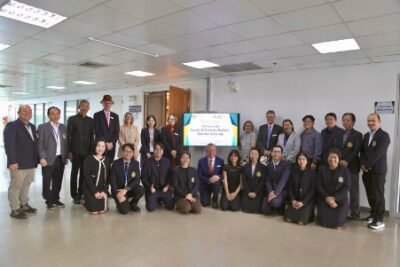
The AVBC is delighted to announce that its Board agreed during the 4th June meeting, to accredit the Kasetsart University’s Doctor of Veterinary Medicine program.
Changes have been made to the assessment format of the Practical Surgery and Practical Anaesthesia sections of the AVE (Final) Clinical Examination

AVBC is seeking applications from outstanding leaders across three independent Chair positions. These are pivotal roles shaping veterinary education, examination and specialist recognition across Australia
The Australasian Veterinary Boards Council Inc (AVBC) has unanimously approved a transition to a company limited by guarantee, marking a significant milestone in the organisation’s evolution as the peak body for veterinary education standards across Australia and New Zealand.

From 30 January 2026, the AVBC migration skills assessment fees will increase to align with changes in the Consumer Price Index (CPI).
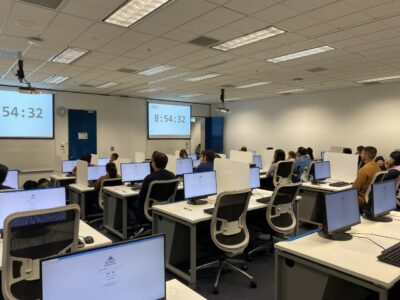
The acceptance of further AVE eligibility applications has been paused as the available places in the 2026 MCQ examination have now been allocated. Please keep an eye on the AVBC web site for information on the submission of future AVE eligibility applications.
The Australasian Veterinary Boards Council (AVBC) would like to inform all stakeholders about upcoming changes to Migration Skills Assessment fees. These changes will take effect from January 6, 2025.

AVBC is delighted to announce that at the AVBC meeting on 18 July 2024, the Council agreed to accredit the Swedish University of Agricultural Sciences (SLU) veterinary science program.